Most drivers know that cars need maintenance. Fewer know exactly what that means in practice — which tasks are genuinely important, which ones are less urgent, and how to prioritize when everything can't happen at once. This guide aims to answer that clearly.
Why Maintenance Intervals Exist
Manufacturer-recommended maintenance schedules aren't invented by service shops to generate business — they come from engineering data about how parts wear over time. Oil degrades. Filters accumulate contaminants. Fluids absorb moisture. Brake pads thin down. Each of these processes follows a predictable curve, and intervals are set to ensure you address them before they become a problem.
The specific intervals in your owner's manual are the most reliable reference point. They're written for your vehicle's engine, drivetrain, and operating environment. When a shop suggests a service that deviates significantly from that schedule, it's worth asking why.
The Core Maintenance Tasks
Engine Oil and Filter
This is the most frequently needed and most consequential maintenance task. Engine oil lubricates moving metal parts and removes heat. As it ages, it thickens, loses its lubricating properties, and accumulates particles. Running an engine on degraded oil accelerates wear.
Most modern engines with synthetic oil can go 7,500 to 10,000 km between changes — some longer. Older vehicles or those using conventional oil typically need changes closer to every 5,000 km. Check your owner's manual rather than relying on the old "every 3 months or 3,000 km" rule, which is often outdated for newer vehicles.
The oil filter should be replaced at every oil change. It doesn't cost much and there's no reason to reuse it.
Tire Rotation
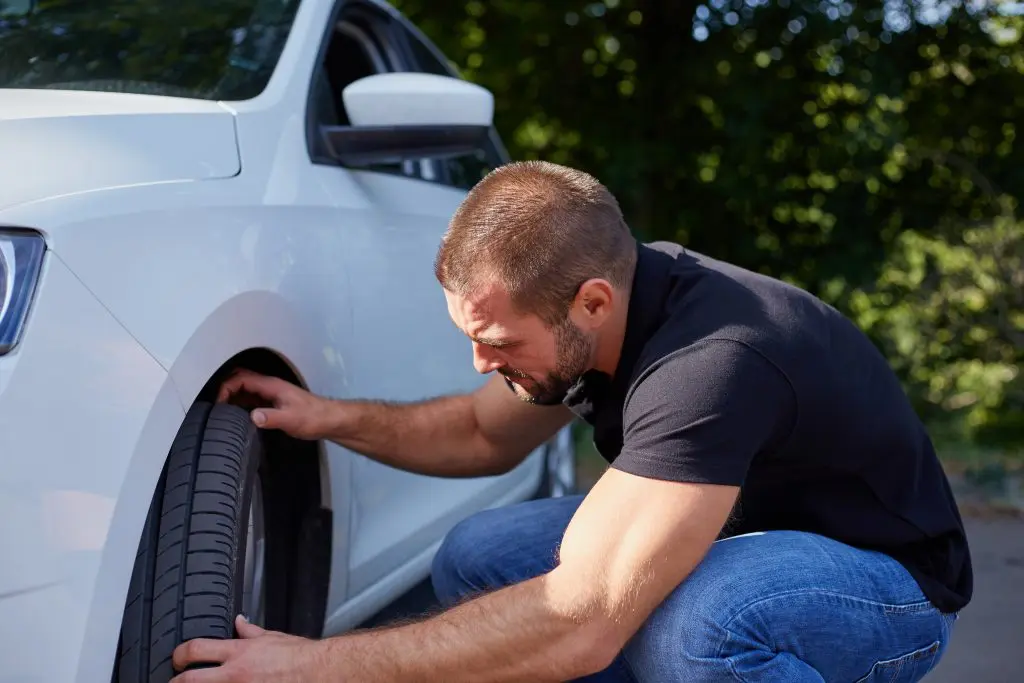
Tires don't wear evenly across all four positions. Front tires (especially on front-wheel-drive vehicles) carry steering load and tend to wear faster on the outer edges. Rotating tires every 8,000–12,000 km distributes wear more evenly, extending the life of the set.
While tires are rotated, it's also a good opportunity to check inflation, inspect tread depth, and look for sidewall damage. In Alberta, where temperature swings are significant, pressure drops about 1 PSI for every 6°C drop in temperature — so monthly checks in winter are worthwhile.
Brake Inspection
Brake pads have a wear indicator that creates a squealing sound when they're nearing the end of their service life. That sound is intentional — it's there to give you time to address it before metal-on-metal contact damages the rotor. Don't ignore it.
Most brake pads last anywhere from 25,000 to 70,000 km depending on driving style and vehicle type. City driving with frequent stops accelerates wear compared to highway driving. An annual brake inspection gives you a clear picture of where you are in the wear cycle.
Fluid Levels and Condition
Beyond engine oil, several other fluids need periodic attention:
- Coolant (antifreeze): Degrades over time and loses its ability to prevent freezing and overheating. Typically replaced every 2–5 years depending on vehicle type.
- Brake fluid: Absorbs moisture over time, which lowers its boiling point and can introduce corrosion into brake lines. Most manufacturers recommend replacement every 2 years.
- Power steering fluid: Check level and condition annually if your vehicle uses hydraulic power steering.
- Transmission fluid: Often overlooked, but critical for smooth gear changes. Automatic transmissions vary widely — some have sealed systems, others recommend changes every 60,000–100,000 km. Check your manual.
- Windshield washer fluid: Use a Canadian-grade formula that resists freezing below -40°C in winter months.
Air Filter
The engine air filter prevents dust and debris from entering the intake system. A clogged filter restricts airflow, which reduces efficiency and in some cases can affect performance. Most filters are replaced every 20,000–30,000 km, though driving in dusty conditions shortens that interval.
There's also a cabin air filter (on most vehicles made after 2000) that filters air entering the passenger compartment. It should be replaced every 15,000–25,000 km. A dirty cabin filter can reduce airflow through the HVAC system and affect air quality.
When to Look Beyond the Schedule
Maintenance schedules cover expected wear under normal conditions. But vehicles also communicate when something is wrong outside of scheduled intervals. Warning lights, unusual sounds, changes in ride quality, and shifts in fuel economy are all signals worth investigating.
Ignoring a warning light because the car seems to be driving fine is a common mistake. Some faults — like a misfiring cylinder — won't be obvious during casual driving but can cause progressive damage if left unaddressed. When a light comes on and stays on, get a diagnostic scan sooner rather than later.
Seasonal Considerations in Alberta
Vehicles in Edmonton face more stress than those in moderate climates. Cold starts at -30°C put additional strain on batteries, engine oil, and seals. Spring roads covered in road salt accelerate corrosion underneath the vehicle. A pre-winter inspection and a spring check are practical habits for local drivers.
Specifically, before winter arrives it's worth checking: battery charge and terminal condition, tire tread depth and pressure, antifreeze concentration, wiper blades, and whether winter tires are appropriate for your situation. That short list covers the most common points of failure in cold weather.
Building a Realistic Routine
Most drivers don't need to become car experts. What helps is having a simple system: know your vehicle's service intervals, keep a basic record of what was done and when, and pay attention to how your car behaves. That combination puts you in a position to make informed decisions and catch problems early — which is where the real savings are.
If you're unsure where your vehicle stands right now, a comprehensive inspection at a shop you trust is a good starting point. A thorough inspection should tell you exactly what's been done, what's due, and what can wait — giving you a clear maintenance picture without any pressure to act on everything at once.